

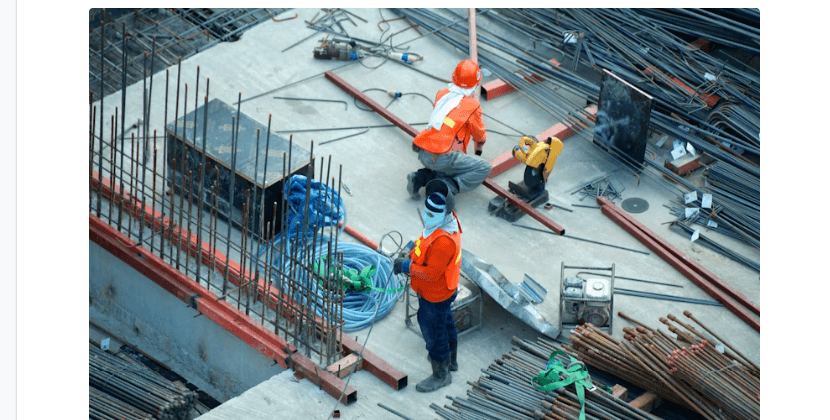
Utah's construction market has been one of the most active in the country over the last several years. Salt Lake City, the Wasatch Front corridor, and surrounding communities have seen substantial residential, commercial, and infrastructure development — and with that growth comes a permitting workload that catches many contractors off guard, particularly those entering the Utah market from other states or moving between jurisdictions within the state.
Utah's permitting landscape is not monolithic. The state has a code framework, but individual municipalities — Salt Lake City, West Valley City, Provo, Ogden, St. George, and others — administer their own permitting departments with their own submission requirements, review processes, and inspection standards. What works in one Utah city doesn't automatically transfer to the next.
For contractors and builders who need to move quickly in this market, understanding the structure of Utah permitting at the state level and at the local level is foundational to keeping projects on schedule. This guide covers what Utah and Salt Lake City specifically require, where submissions typically run into problems, and how working with a permit expediting service in Utah — and across all the markets Alliance Permitting serves — compares to navigating it alone.
How Utah's Building Code Framework Works
State Code Adoption
Utah adopts building codes at the state level through the Utah Division of Occupational and Professional Licensing and the Utah Uniform Building Standards Act. The state adopts versions of the International Building Code, International Residential Code, International Mechanical Code, International Plumbing Code, and the National Electrical Code — typically with a lag of one to several code cycles behind the most current published editions, and with Utah-specific amendments that modify certain provisions.
Understanding which code edition is currently adopted in Utah — and what the Utah-specific amendments change from the base code — is essential for producing compliant construction documents. Contractors who design or document to the unamended base code without checking the Utah adoption status and amendments frequently produce submissions that require corrections before they can be approved.
Local Amendments and Administration
While the state sets the code baseline, individual municipalities have authority to adopt local amendments that go beyond or modify state requirements in certain areas. Salt Lake City, for example, has its own amendments and administrative provisions that affect how the code is applied within city limits.
This means that a contractor moving from a project in Salt Lake City to one in a neighboring jurisdiction like Murray, Midvale, or Sandy cannot assume identical requirements even within close geographic proximity. Each municipality has its own building department, its own submission portal or process, and its own staff with their own review standards and communication practices.
Salt Lake City Permitting: What Contractors Need to Know
The Salt Lake City Building Services Division
Building permits in Salt Lake City are administered by the Building Services Division, which handles permit applications, plan review, permit issuance, and inspection coordination for construction work within city limits. The division handles residential and commercial permits separately, with different application requirements, plan review pathways, and processing timelines for each category.
Salt Lake City has invested in expanding its online permitting capabilities, and many permit types can be initiated through the city's online portal. However, the online process is not a guarantee of a simple process — the plan review standards that submissions must meet are the same regardless of whether the application is submitted digitally or in person, and incomplete or non-compliant submissions are rejected through either pathway.
Permit Types in Salt Lake City
Salt Lake City requires permits for a broad range of construction activities. The most common permit categories that contractors encounter include building permits for new construction, additions, and alterations, electrical permits for new wiring, panel upgrades, and service changes, plumbing permits for new installations and significant modifications, mechanical permits for HVAC installation and modification, roofing permits for replacement and repair above certain thresholds, and solar permits for photovoltaic system installations.
Each permit type has its own application requirements. Trade permits — electrical, plumbing, mechanical — are typically required in addition to the building permit and are often pulled separately, either by the general contractor or by the individual licensed trade contractor. Coordinating the timelines of multiple simultaneous permit applications on a single project is one of the more demanding aspects of Salt Lake City project management.
Plan Submittal Requirements
Salt Lake City's plan review process requires construction documents that meet specific formatting, content, and completeness standards. Residential projects have different documentation requirements than commercial projects, and larger commercial projects typically require plans prepared and stamped by licensed design professionals — architects and engineers registered in Utah.
Common documentation that Salt Lake City plan review requires includes site plans showing property boundaries and setbacks, floor plans with dimensions and room designations, elevation drawings, structural details where applicable, energy compliance documentation, and mechanical, electrical, and plumbing drawings for projects of sufficient scope. Missing any required element results in an incomplete submittal that cannot proceed to plan review until the deficiency is corrected.
Common Permit Requirements Across Utah Jurisdictions
Contractor Licensing Verification
Utah requires that contractors performing permitted work hold appropriate state contractor licenses. The building department typically verifies license status as part of the permit application process — applications submitted by unlicensed contractors or that fail to properly identify the licensed contractor of record are rejected. Contractors entering the Utah market from other states need to confirm that their licensing is recognized or that they have obtained the appropriate Utah license before pulling permits.
Energy Code Compliance
Utah has adopted an energy code based on the International Energy Conservation Code, and energy compliance documentation is required for most new construction and significant renovation projects. This typically involves completing energy compliance forms or submittals that demonstrate the building envelope, mechanical systems, and lighting meet the adopted energy standard. Errors or omissions in energy compliance documentation are among the more common reasons residential submissions require corrections in Salt Lake City and across Utah jurisdictions.
Structural Documentation
Utah's seismic activity — the Wasatch Front sits along an active fault zone — means that structural documentation requirements take on particular importance in this market. Structural calculations and details that demonstrate compliance with seismic design requirements are mandatory for building types and sizes that trigger this review. Engineers stamping structural documents for Utah projects need to account for the local seismic design category, which affects the design approach for lateral systems, connections, and foundations.
Contractors who work with structural engineers unfamiliar with Utah's specific seismic requirements — or who bring structural documents prepared for lower-seismic-hazard markets — frequently encounter plan review comments that require significant revision.
Inspection Scheduling and Process in Utah
How the Inspection Sequence Works
Once a permit is issued in Salt Lake City and across most Utah jurisdictions, construction must proceed through a defined inspection sequence. Inspections are required at specific stages — foundation, framing, rough electrical, rough plumbing, rough mechanical, insulation, and final, among others — and work cannot be covered or proceed to the next phase until the required inspection has been completed and passed.
Requesting inspections at the right time is an operational skill. Requesting too early — before work is genuinely ready — results in a failed inspection, a correction requirement, and a re-inspection that adds time to the schedule. Requesting too late creates gaps in the construction schedule while the project waits for an inspection that could have happened sooner.
Inspector Availability and Scheduling
Salt Lake City and Utah's other active construction markets have experienced high demand for inspections during periods of strong construction volume. Inspector availability affects how quickly a requested inspection can be scheduled, and in busy periods the lead time between requesting an inspection and having it completed can extend meaningfully.
Contractors who manage inspection scheduling proactively — requesting inspections with appropriate lead time rather than at the last minute — consistently experience fewer schedule disruptions than those who treat inspections as an afterthought until the work is done and waiting.
Failed Inspections and Corrections
A failed inspection requires the contractor to correct the identified deficiency, document the correction, and request a re-inspection. Each failed inspection adds time to the project — the correction itself, the re-inspection scheduling lead time, and in some cases the cascading effect on other trades waiting for the inspection to pass before they can proceed.
Understanding what Utah inspectors look for at each stage — and ensuring that work genuinely meets those standards before the inspection is requested — is the most effective way to minimize failed inspections and the schedule impact they produce.
Where Utah Permit Submissions Most Commonly Run Into Problems
Underestimating Jurisdictional Differences
Contractors working across Utah's many active construction markets frequently make the mistake of assuming that submission standards are consistent across the state. Salt Lake City's requirements differ from those in West Jordan, Provo, Ogden, and St. George — in some cases significantly. Each jurisdiction has its own staff, its own local amendments, and its own practical norms for how submissions should be prepared and presented.
The assumption of transferability across Utah jurisdictions is one of the most reliable predictors of avoidable delays.
Incomplete Energy Compliance Documentation
Energy code compliance submissions are frequently incomplete or use outdated compliance pathways. Utah has updated its energy code adoption over time, and submissions that reference outdated code editions or use compliance forms from previous code cycles are flagged during plan review. Staying current on Utah's energy code adoption status requires active monitoring that individual contractors often can't maintain while managing construction operations.
Missing or Incorrect Licensed Professional Stamps
Projects that require architect or engineer stamps — and many commercial and larger residential projects do — are rejected if the stamps are missing, if the professionals are not licensed in Utah, or if the scope of the stamped documents doesn't match the scope of the permit application. This is a straightforward requirement but one that creates problems for contractors working with design teams who are not familiar with Utah licensing requirements.
How Alliance Permitting Supports Utah Builders
AI-Assisted Pre-Submission Compliance Checking
Alliance Permitting's platform analyzes construction documents and application packages against current Utah and Salt Lake City requirements before submission — catching the documentation gaps, code compliance issues, and formatting problems that lead to rejection before they create delays. This pre-submission intelligence layer is particularly valuable in a market like Utah where code adoption status and local amendments change and where the cost of a rejection cycle is measured in project schedule time.
Human Expertise Across Utah's Jurisdictions
Alliance Permitting's permit expediting consultants bring specific knowledge of how Utah's individual municipal permitting departments operate — Salt Lake City and the other major jurisdictions across the state. This human expertise layer ensures that the practical realities of each department's review process, communication practices, and submission preferences are applied to every project, not just the code requirements as published.
The combination of AI-assisted compliance checking and experienced human oversight is what produces the outcome sponsors and contractors need — faster approvals, fewer correction cycles, and predictable timelines that keep projects on schedule.
Full Permit Lifecycle Management
From application preparation through final approval, Alliance Permitting manages the entire permitting process for Utah projects including residential permitting, commercial permitting, solar permit expediting, roofing permits, and electrical panel permits. Contractors working with Alliance don't need to monitor application status, manage correction responses, or coordinate inspection scheduling on their own the team handles it with full progress visibility throughout.
Getting Started with Alliance Permitting for Utah Projects
Alliance Permitting has approved over 250,000 building permits and cleared over 3 billion square feet for construction — a track record that reflects what AI-assisted automation combined with human permitting expertise delivers at scale. For Utah-based contractors and builders who need consistent, reliable permitting support across Salt Lake City and the broader state, Alliance Permitting provides the local knowledge and operational infrastructure to make it happen.
To discuss your Utah project's permitting requirements or to get a free quote, contact Alliance Permitting at 1-855-478-4290 or visit alliancepermitting.com. The team is available to assess your specific project needs and timeline before any commitment is required.
Frequently Asked Questions
Does every construction project in Utah require a building permit?
Most construction work in Utah requires a permit — new construction, additions, structural alterations, significant repairs, and most trade work all trigger permit requirements. Minor repairs and cosmetic work below certain thresholds may be exempt, but thresholds vary by municipality and work type. When in doubt, checking with the local building department or working with a permit expediting consultant familiar with the specific jurisdiction is the safest approach.
How long does Salt Lake City building permit review take?
Review timelines vary by project type, size, and current departmental volume. Straightforward residential projects may move through review in several weeks. Larger commercial projects take considerably longer. Express or over-the-counter review pathways exist for qualifying projects. Alliance Permitting's team can provide realistic timeline expectations based on current Salt Lake City conditions for your specific project type.
What are the most common reasons Utah permit applications are rejected?
Incomplete energy compliance documentation, missing licensed professional stamps, plans that don't reflect current Utah code adoption and amendments, and documentation that doesn't meet specific municipal formatting requirements are the most frequent causes of rejection in Utah jurisdictions. Pre-submission review against current requirements is the most effective way to avoid these outcomes.
Does Alliance Permitting handle permits across multiple Utah cities?
Yes. Alliance Permitting supports permitting across Utah's major construction markets, not just Salt Lake City. Contractors working across multiple Utah jurisdictions benefit from consistent support without needing to develop market-specific knowledge for each city independently.
How does Alliance Permitting handle Utah's seismic documentation requirements?
Alliance Permitting's pre-submission review process checks structural documentation against Utah's seismic design requirements as part of the standard compliance analysis. The team flags seismic-related documentation issues before submission, reducing the plan review comments and correction cycles that seismic compliance gaps commonly produce in Utah projects.
How do I get started with Alliance Permitting for a Utah project?
Contact Alliance Permitting at 1-855-478-4290 or visit alliancepermitting.com to request a free quote. Share your project details and the team will assess your permitting needs, provide a realistic timeline estimate, and outline how Alliance can support your project from application preparation through final approval.